Patch Testing: A Method for Trying Anything New
A simple, careful way to introduce a new product so you notice how your skin responds. It also covers when to stop and who to ask if something seems off.
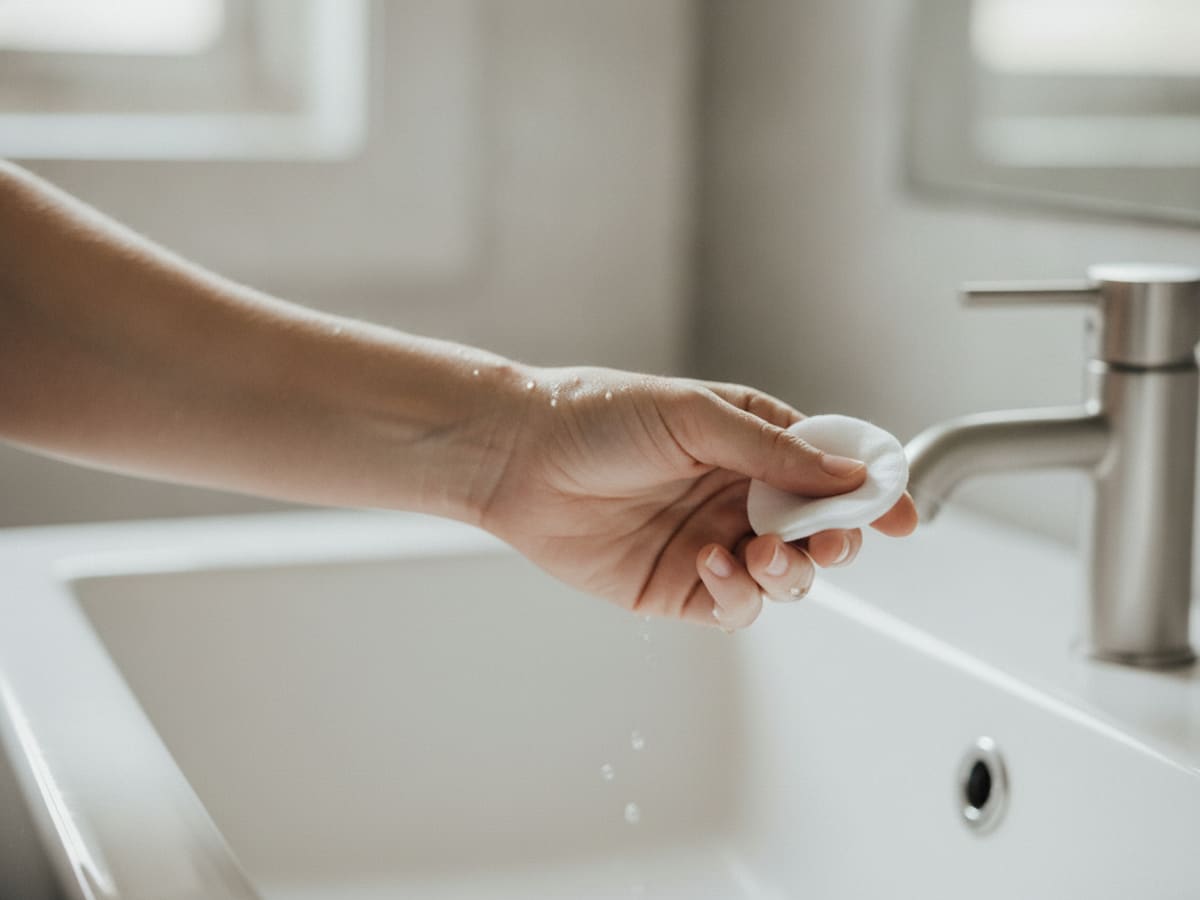
Trying a new cleanser, moisturizer, hair dye, or scalp product is exciting, and it's tempting to use it right away. A little patience up front makes it much easier to tell what your skin likes and what it doesn't. Patch testing is a simple method for doing exactly that.
It isn't a guarantee. A patch test can't predict every reaction, especially ones that build up over repeated use. But it gives you useful information with very little effort.
Why one new thing at a time
When you add several products at once, you lose the ability to tell which one caused a problem. If your cheeks feel itchy or your scalp feels tight, you're left guessing between the new serum, the new shampoo, and the sunscreen you swapped in the same week.
Introducing one product at a time keeps things clear. If something changes, you know where to look. It also protects the rest of your routine. You don't have to throw out everything you use just because one new item didn't suit you.
A few habits make this easier:
- Keep the rest of your routine steady while you test.
- Hold off on other new products, including makeup, hair styling products, and body lotions.
- Avoid testing right before an important event, a trip, or a stretch when your skin is already stressed.
Choosing a discreet spot and a small amount
The goal is a spot where a reaction would be easy to monitor and easy to live with. Skin on different parts of the body can respond differently, so no single spot is perfect. But some choices are more practical than others.
Common places to test include the inner forearm, the skin just behind the ear, or the inside of the elbow. These areas are thin enough to be informative and easy to cover with clothing or hair. For a product meant for your face, many people prefer the area behind the ear or along the jawline, since it's closer to where the product will eventually go.
Here is a simple way to do it:
- Wash and dry the spot with your usual gentle cleanser, so you're testing the product on clean skin.
- Apply a small amount of the product, about the size of a pea or less, to an area roughly the size of a coin.
- Let it dry or absorb naturally. Don't cover it unless the product directions say to.
- Leave it in place for as long as the product would normally stay on your skin. For a rinse-off product, that means rinsing at the usual time.
- Avoid rubbing, scratching, or layering other products over the area.
For hair color, bleach, or other products with specific testing instructions, follow the directions on the package exactly. These products often call for a particular wait time before full use, and that guidance is there for a reason.
How long to wait and what to note
Reactions don't always show up right away. Some appear within minutes, while others take a day or two to develop. For that reason, waiting a full day or two before moving on is a reasonable approach, and a bit longer is fine if your skin tends to be sensitive.
During that time, check the spot at a few points, such as after an hour, later that day, and the next morning. Look in good light, and compare it to the same area on the other arm or side of your neck.
Things worth noticing include:
- Redness or a warm feeling
- Itching, stinging, or burning
- Bumps, swelling, or small blisters
- Dryness, flaking, or tightness
- Anything that feels different from the surrounding skin
A quick note on your phone helps, even just the date, the product, and what you saw. If you don't notice anything, the next step is to start using the product in a small way. Try it on a limited area or every other day at first, rather than applying it everywhere, every day. Skin can still react after a few uses, so keep paying attention.
What to do if you notice irritation
If the spot feels uncomfortable or looks irritated, stop using the product. You don't need to wait it out or push through to see if it improves.
Gently rinse the area with lukewarm water and a mild, fragrance-free cleanser if you have one, then pat dry. Skip scrubbing, hot water, and any other new products on that spot. Simple, familiar basics are usually the kindest choice while your skin settles.
A few other things can help:
- Keep the product's packaging or a photo of the ingredient list, so you can compare it to future products.
- Note which ingredients appear on more than one product that bothered you. Patterns can be useful.
- Give your skin time to return to normal before you test anything else.
A reaction to one product doesn't mean your skin is "bad" or that you did something wrong. It just means that product isn't a match right now.
When to call a professional
Most mild reactions are minor, but some situations deserve prompt attention. Reach out to a doctor, pharmacist, or dermatologist if the irritation is spreading, blistering, or very painful, or if it doesn't ease after you stop using the product. If you've had strong reactions to products before, or you have a skin condition like eczema, a professional can help you plan how to test new things.
Patch testing takes a little time, but it keeps your routine simple and your choices clear. It's a calm, repeatable habit you can use anytime something new catches your eye.